
"coffee from Andes"
3000 article(s) found

Introduction to the flavor and taste of Ecuadorian coffee manor with a unique flavor
Central mountain: after entering Ecuador from Colombia, the Andes is divided into the eastern and western Cordillera mountains, with a plateau high in the north and low in the south, averaging between 2500 and 3000 meters above sea level. The Andes run through the middle of the border. The ridges crisscross, dividing the plateau into more than ten intermountain basins. The most important are the Quito basin and the Cuenca basin in the south. Volcanic crowds in the territory
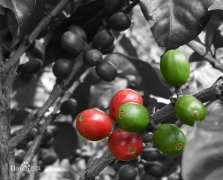
Micro-producing area of Santa Rita coffee in the Andes, Colombia
The history of coffee cultivation in Colombia can be traced back to the Spanish colonial era in the 16th century, and there are many theories about the history of coffee in Colombia: one: it is said to come from the island of Haiti in the Caribbean and from El Salvador in Central America. Second: in 1808, a priest introduced coffee beans to Colombia for the first time from the French Antilles via Venezuela. One of them

Fragrant Ecuadorian Coffee Flavor Manor to introduce the characteristics of boutique coffee beans
Central mountain: after entering Ecuador from Colombia, the Andes is divided into the eastern and western Cordillera mountains, with a plateau high in the north and low in the south, averaging between 2500 and 3000 meters above sea level. The Andes run through the middle of the border. The ridges crisscross, dividing the plateau into more than ten intermountain basins. The most important are the Quito basin and the Cuenca basin in the south. Volcanic crowds in the territory

A brief introduction to the Flavor description of the growing Environment of Coffee beans in Lazimus Manor, Colombia
A brief introduction to the Flavor description of the growing Environment of Coffee beans in Lazimus Manor, Colombia Coffee is divided into more than 200 grades, which means that the coffee is very regional. The country's coffee-producing areas are located in the Andes, where the climate is mild and the air is humid. Colombia has three Codiera mountains running north and south, right into the Andes. Planted along the highlands of these mountains

The taste is clear and lingering. Santa Cruz Manor Coffee Flavor Taste Variety Introduction
The Andes Mountains, after entering Ecuador from Colombia, are divided into the Cordillera Mountains in the east and west. Between the two mountains is a plateau high in the north and low in the south, with an average altitude of 2500 meters to 3000 meters. The Andes run through the middle of the border. Ridges crisscross the plateau, dividing it into more than a dozen intermountain basins. The most important are the Quito basin and the Cuenca basin in the south. There are many volcanoes in the territory and frequent earthquakes.
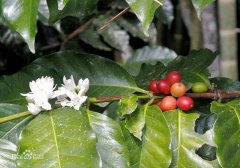
American coffee beans in the micro-producing areas of the Santa Rita Andes, Colombia
The history of coffee cultivation in Colombia can be traced back to the Spanish colonial era in the 16th century, and there are many theories about the history of coffee in Colombia: one: it is said to come from the island of Haiti in the Caribbean and from El Salvador in Central America. Second: in 1808, a priest introduced coffee beans to Colombia for the first time from the French Antilles via Venezuela. One of them

Premium coffee beans Colombian coffee flavor Andes foothills colunbia
Boutique coffee has a strict grading system. Generally, raw beans are preserved in parchment coffee beans in the form of endocarp after processing, and the endocarp is removed before export. Go through a strict grading process to ensure the uniformity of quality. And it is very important to preserve the protection in the process of transportation, such as the control of temperature and humidity, the control of ventilation, avoiding odor adsorption and so on.

Colombian Coffee region introduces Hope Manor in the Andes
The pure taste of Colombian coffee comes from Colombia's natural environment with the most favorable conditions for coffee growth. But beyond that, it is inseparable from the hard work of local growers. In Colombia, coffee cultivation has reached 1.07 million hectares, there are about 302000 coffee plantations in the country, and 30 to 40 per cent of the rural population depends directly on coffee production. Columby

Columbia Coffee Manor introduction to Lazmus Manor in the Andes
To really understand the flavor changes and product differences of coffee beans is to understand the production place and growers, different manors with different flavors, or different flavors on different hills of the same manor, and the story behind each coffee bean is what the fragrance wants to know. It can be traced back to which plot of the estate where the beans came from, or which cooperative or which farmer, chasing the flavor of the region. To

Water washing treatment of Santa Rita coffee beans in micro-producing areas of the Andes Mountains
The history of coffee cultivation in Nigeria can be traced back to the Spanish colonial era in the 16th century, and there are many theories about the history of coffee in Colombia: first, it is said to have come from the island of Haiti in the Caribbean and from El Salvador in Central America. Second: in 1808, a priest introduced coffee beans to Colombia for the first time from the French Antilles via Venezuela. One of them is

Exudes a faint and elegant fragrance an introduction to the Colombian coffee-producing Andes
Columbia coffee foreign name Colombian Coffee also known as the main raw materials of jade coffee Arabica coffee beans, robusta coffee, washed coffee beans (Washedbeans) contain preservatives no main edible efficacy can prevent radiation injury, health care function suitable for people generally healthy people can drink, suffering from cardiovascular disease

Introduction to the flavor and taste characteristics of Ecuadorian coffee manor with a long lingering aftertaste
Central mountain: after entering Ecuador from Colombia, the Andes is divided into the eastern and western Cordillera mountains, with a plateau high in the north and low in the south, averaging between 2500 and 3000 meters above sea level. The Andes run through the middle of the border. The ridges crisscross, dividing the plateau into more than ten intermountain basins. The most important are the Quito basin and the Cuenca basin in the south. Volcanic crowds in the territory

Colombia Lazmos Estate Single Bean Coffee Bean Growing Area Flavor Description Growing History Variety
Professional barista communication, please pay attention to coffee workshop (Weixin Official Accounts cafe_style ) Colombia coffee is divided into more than 200 grades, that is to say, coffee is very regional. The country's coffee-producing regions are located in the Andes, where the climate is mild and the air is humid. Colombia has three Cordillera mountains running north-south, right into the Andes. along the highlands of these mountains.

Produced in the Ecuadorian Arabica Coffee San Cristobal region of the Andes
Because of the unique role of the Galapagos Islands in the course of history, the Government of Ecuador has designated the Galapagos Islands as a national park, the land is no longer allowed to be reclaimed as new agricultural land, and the introduction and use of chemical fertilizers, pesticides, herbicides and other chemicals are strictly prohibited, so coffee produced in the Galapagos Islands is recognized as a natural product. It's increasing. The best Arabica coffee.

Introduction to Santa Cruz Estate Coffee Bean Characteristics Flavor Brewing Method
In the mid-15th century, among fishermen fishing in the Pacific Ocean off western South America, there were legends of magical islands. It is said that the islands can sometimes be clearly seen from a distance, but disappear as the ship approaches; sometimes they look like a galleon, sometimes they take on the shape of a witch. Fishermen call these islands the enchanted islands, thinking they're

Columbia Coffee Manor Hope Manor Coca Cauca Columbia Coffee beans in the Andes
HernandoTapasco's team, the lead botanist, set up a climate station on the estate to track weather data and help make harvest decisions. The data on the farm were collected continuously and analyzed once a week. After harvest, they will compare weather data, production data and cup test data and analyze the correlation. The harvesters of Rose Summer are strictly trained to harvest only ripe cherries

Columbia Yana Linglong Coffee Brand introduces the meaning of Columbia Linglong Flavor Flavor name
For more information on coffee beans, please follow the coffee workshop (Wechat official account cafe_style) Coffee production area in Colombia is located in the Andes Mountains at the junction of southeastern Colombia and Ecuador (Andes Mountains, which begins in Chile and Argentina in the south, across the north and south of Colombia, and runs through exquisite production at the same time.

A brief introduction to Hope Manor in the Andes, a coffee-producing region of Colombia
Coffee workers go up the mountain to pick coffee beans (also known as coffee cherries) by hand, so they can pick carefully and pick the most ripe and full fruits. The vast majority of Colombian coffee beans are water-washed and moderately roasted with a light, silky and sometimes sour taste, which is not as strong as Brazilian coffee and Italian Expresso and is known as green.

Description of flavor, taste and aroma characteristics of boutique coffee beans in Santa Cruz Manor
In the mid-15th century, there were legends about enchanted mysterious islands among fishermen fishing in the western Pacific Ocean of South America. It is said that the islands can sometimes be seen clearly from a distance, but when the ship approaches, it disappears again; sometimes it looks like a galleon, sometimes it shows the shape of a witch. The fishermen called these islands Magic Island and thought it was there.

Micro-producing areas of high quality imported raw beans in the Andes, Santa Rita, Colombia
Boutique coffee is fresh coffee. Whether it's food or drink, of course, the fresh the better, and so is boutique coffee. High-quality coffee should keep the coffee beans fresh before making, including the preservation of baked beans, and grind the coffee beans into powder before making, which is also to retain its original and best flavor. And the way of making hand-made coffee is such a way to make high-quality coffee.